
You have booked the repair. The technician is on the way. There is not much you can do about the broken spring or the dead opener in the meantime, but there is quite a bit you can do to make the visit faster, cheaper, and less frustrating for everyone. A well-prepared garage can shave 20 to 30 minutes off a repair, and a clear description of the problem helps the technician show up with the right parts on the truck.
Here is a practical checklist for Houston homeowners, from the night before to the moment the truck pulls up.
Clear the work area
Garage door technicians need to reach the springs above the door, the tracks on both sides, the opener on the ceiling, and the bottom of the door. That means space.
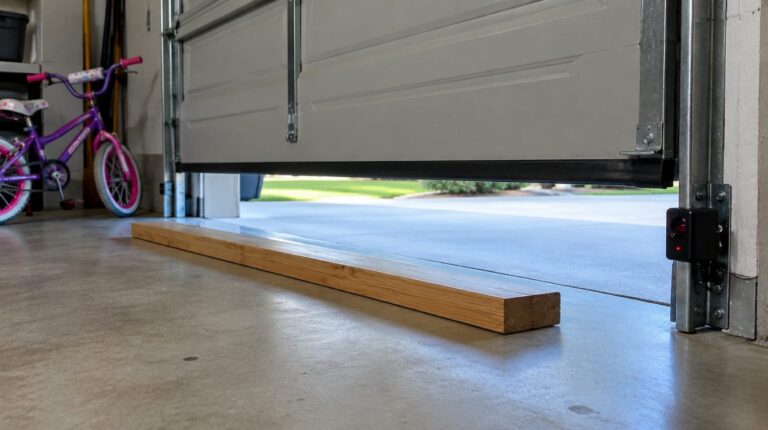
- Move everything at least 4 to 5 feet away from the door opening on the inside. Bikes, trash cans, storage bins, lawn equipment, and shelving units on wheels should all go.
- Clear a path along both tracks. The technician will need to walk the full length of the horizontal tracks, which usually extend 8 to 10 feet into the garage.
- Make room under the opener. A ladder needs to sit directly below the motor unit, so anything parked or stored there has to move.
- Clear the driveway in front of the door. The technician will need to work from outside as well, and will need somewhere to park a truck with tools and parts.
If you cannot move something heavy, that is fine. Just let the company know when you book so they can plan around it.
Get the cars out (if you can)
This is the one most people forget. If the door is stuck closed and your car is trapped inside, you obviously cannot move it, and the technician deals with that every day. But if the car is accessible, get it out of the garage and off the driveway before the appointment.
Two reasons: a vehicle parked under the door is in the way of ladders and tools, and in the rare event a cable or spring lets go during the repair, you do not want a car beneath it. If the car is stuck inside, tell the dispatcher so the technician knows to open the door manually first.
Write down the symptoms
You do not need to diagnose the problem, but a clear description saves real time. Before the visit, note:
- What exactly happens. Does the door not move at all? Open a few inches and stop? Close partway and reverse? Make a grinding, popping, or squealing noise?
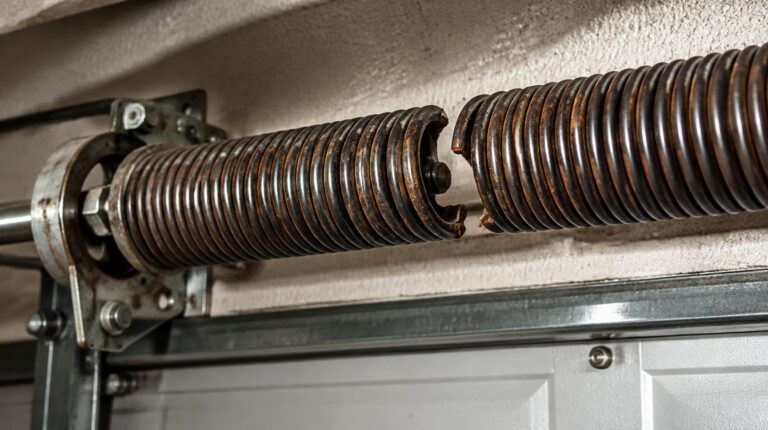
- When it started. Suddenly after a loud bang (likely a spring), or gradually over weeks (likely wear or an opener issue)?
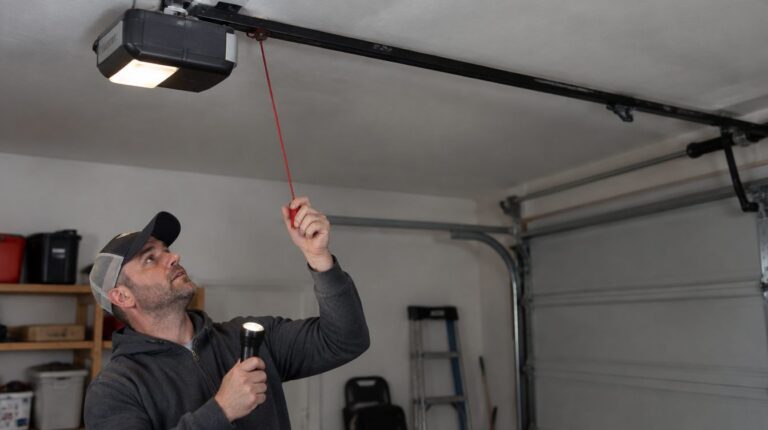
- Whether it works manually. Pull the red emergency release cord and try lifting the door by hand. If it is extremely heavy or will not budge, that points to the spring. If it lifts easily, the opener is the more likely culprit. Only do this with the door fully closed.
- What the opener lights do. Blinking lights on the motor unit or on the sensors at the bottom of the tracks are diagnostic codes. Note how many times they flash.
- Anything recent. A power outage, a storm, a vehicle bump, a new remote, a recent DIY attempt. All of it is useful.
A short video on your phone of the door trying to operate is worth more than any description. Text it to the company when you book if they accept photos or video.
Find your opener model number
If the opener is part of the problem, the model number lets the company bring the right board, gear, or remote. Look for a label on the motor unit, usually on the back or side of the housing, or under the light cover. Note the brand (LiftMaster, Chamberlain, Genie, Craftsman, etc.) and the model number. A photo of the label is enough.
If you have a newer opener with Wi-Fi (myQ, Aladdin Connect, Genie Aladdin), also mention that. Some repairs involve reconnecting the opener to your network afterward.
Access, power, and pets
A few practical details that are easy to overlook:
- Someone needs to be there. Most companies, including ours, require an adult to be present to approve the estimate and the work. If you cannot be home, arrange for a family member or neighbor and let the dispatcher know who to expect.
- Make sure the opener outlet has power. Check the breaker if the opener is completely dead. If the outlet is on a GFCI, press reset. This takes 30 seconds and occasionally solves the whole problem before anyone arrives.
- Have a path from the driveway to the garage interior. If the garage door is stuck closed, the technician will need to come through the house or a side door.
- Secure your pets. Garage repairs involve open doors, ladders, and loud noises. Dogs bolt and cats hide in places they should not. Put them in a closed room for the duration.
- Keep kids out of the garage during the repair. Springs and cables under tension are not something to be near.
- Houston heat. In summer, a closed garage can hit well over 100 degrees. If you have a garage fan, turn it on. Your technician will appreciate it, and parts like lubricant and sealant behave better when it is not scorching.
Ready to book, or have questions about what to expect? Call 713-598-3837 (Houston) or 281-800-5387 (Clear Lake), or request a free quote.
What to expect when the technician arrives
A professional visit follows a predictable pattern. Knowing it helps you spot when something is off.
- Introduction and a look at the problem. The technician should arrive in a marked vehicle, identify the company, and ask you to describe the issue before touching anything.
- Inspection. Expect a check of the springs, cables, rollers, tracks, hinges, and opener, not just the part you called about. Related wear is common, and a good technician points it out without pressure.
- Written estimate. Before any work starts, you should receive an itemized estimate with parts and labor. Ask questions. Nothing should begin until you approve it.
- The repair. Most common repairs (springs, cables, opener components, off-track doors) take 45 minutes to 2 hours. Panel replacements and new opener installs can take longer.
- Testing and balance check. The door should be cycled several times, the safety reversal tested, and the balance checked with the opener disconnected.
- Walkthrough and paperwork. The technician should show you what was done, explain the warranty, and give you an invoice with the warranty terms in writing.
Have your payment method ready. Card is standard; be cautious of any company that insists on cash.
Frequently asked questions
Do I need to be home for a garage door repair?
Yes, or an adult you have authorized. Someone needs to approve the estimate, provide access, and sign off on the work.
Should I try to fix anything myself before the technician comes?
Check the breaker, the outlet, and the opener’s lock button, and make sure nothing is blocking the sensors. Beyond that, leave it. Adjusting springs or cables is dangerous, and a DIY attempt can turn a simple repair into a bigger one.
How long will the appointment take?
Most single-issue repairs are done within an hour or two of arrival. Spring replacements are typically on the shorter end; opener installs and panel work on the longer end.
What if the technician finds other problems?
They should show you the issue, explain why it matters, and give you a price. You decide. There is no obligation to approve additional work on the spot.
Related guides
- How Long Does Garage Door Repair Take?
- Why Won’t My Garage Door Open?
- Garage Door Sensor Not Working?
Get same-day garage door repair in Houston
BBM Garage Doors offers same-day and 24/7 emergency repair across Houston, Katy, Cypress, Spring, The Woodlands, Pearland, Sugar Land, League City, Clear Lake, Pasadena, Friendswood, Missouri City, Galveston, and surrounding areas. Our technicians arrive in marked trucks, provide written estimates before any work begins, and back every repair with a warranty. Call 713-598-3837 (Houston) or 281-800-5387 (Clear Lake), or learn more about our garage door repair services.